
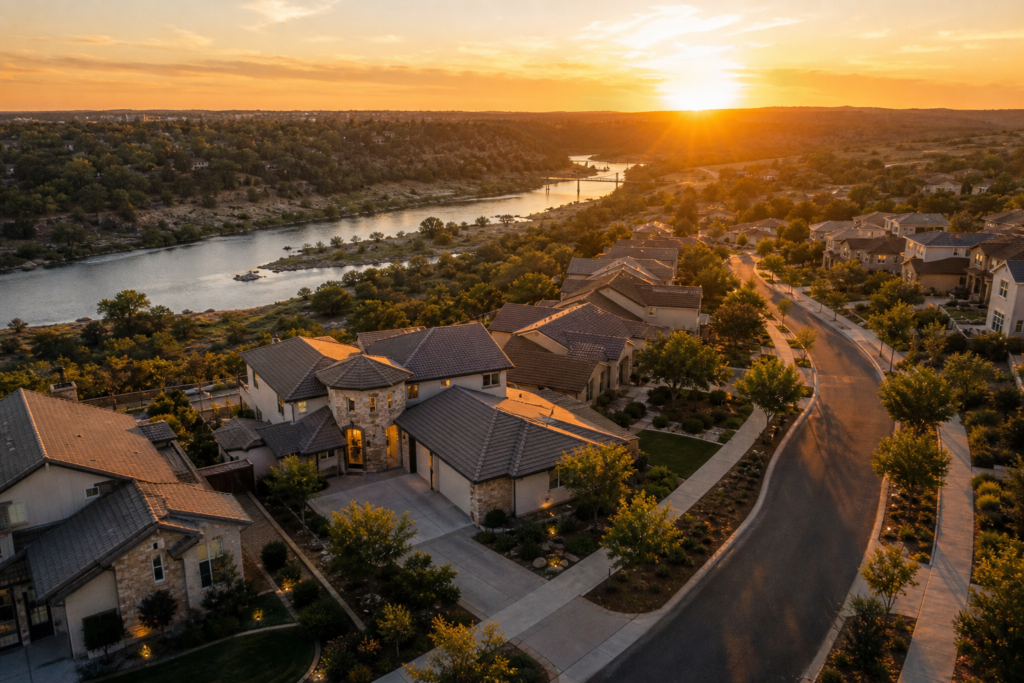
Buying new construction in Folsom means navigating builder contracts, incentive packages, and timeline risks that differ significantly from resale purchases. In 2026, Folsom builders are carrying more inventory than resale sellers and actively offering rate buydowns, closing credits, and upgrade packages, giving prepared buyers real negotiating leverage.
What do buyers need to know about purchasing new construction in Folsom in 2026?
Buying new construction in Folsom is a different process from buying a resale home, the contracts are builder-drafted, the incentives are tied to preferred lenders, and your negotiating leverage depends on knowing which levers to pull. As of 2026, Folsom builders are carrying more months of supply than resale sellers and actively reintroducing incentives to move inventory, which means a prepared buyer can do well, but an unprepared one can leave a lot on the table.
I work with buyers across Folsom, Elk Grove, and the Greater Sacramento area, and new construction questions come up constantly. Here’s what I walk my clients through before they ever set foot in a model home.
The Folsom New Construction Market Right Now
Folsom sits at a median sale price of $770,000 with a median of 42 days on market, according to recent Zillow market data. That places it among the higher-priced markets in the Greater Sacramento region, above Elk Grove and Roseville, and well above Sacramento proper.
Here’s how Folsom compares to the surrounding area:
| Area | Median Sale Price | Median Days on Market |
|---|---|---|
| Elk Grove | $660,000 | 22 |
| Sacramento | $491,000 | 9 |
| Roseville | $660,000 | 21 |
| Rocklin | $660,000 | 50 |
| Folsom | $770,000 | 42 |
| Granite Bay | $1,215,000 | 44 |
| El Dorado Hills | $895,000 | 42 |
| West Sacramento | $519,000 | 51 |
Within Folsom, Q1 2026 data show a clear split between new construction and resale. Federal Reserve Economic Data (FRED) tracks building permits for the Sacramento-Roseville-Folsom MSA, and permits have been running in the 600-700 range monthly through early 2026, a steady pipeline of new homes entering the market. On the ground in Folsom, that translates to new construction sitting at 4.2 months of supply versus resale single-family homes at just 2.1 months of supply, based on a Q1 2026 market analysis. Builders are carrying more inventory, and that matters when you’re negotiating.
The North State Building Industry Association reported that new home sales across the 8-county Sacramento region totaled 331 units in July 2026, down about 7% from June, and builders responded by reintroducing incentive packages. That seasonal ebb and flow is exactly the kind of timing signal that can work in your favor.
Folsom Ranch, the area’s premier master-planned community, has seen near-record-low resale inventory as of Q2 2026, which can make it feel competitive. But the broader new-construction picture tells a different story: builders there still need to move product, and they have tools to do it.
How to Negotiate With Folsom Builders (and What Actually Works)
Here’s the core dynamic you need to understand: builders rarely cut base prices. Their pricing is tied to community-wide comps, and a visible price cut in one sale can ripple through the entire phase. What they will do is add value through incentives, and in Folsom, those incentives have been meaningful.
Q1 2026 data show Folsom builders averaging incentive packages worth roughly 5.8% of the sale price, compared to about 3.1% in concessions from resale sellers. That’s a substantial gap, and it reflects real pressure on builders to compete with a resale market where homes are moving faster.
The incentives worth asking about
- Mortgage rate buydowns through the builder’s preferred lender. These can meaningfully reduce your monthly payment, but you need to compare the buydown offer against what an independent lender would give you on rate alone.
- Closing-cost credits applied at settlement. These reduce your out-of-pocket cash at close without touching the purchase price on paper.
- Design center allowances for flooring, cabinetry, countertops, or appliances. Builders often prefer to give you $15,000 in options over dropping the price by $15,000, the optics work better for their comps.
- Lot premium waivers or reductions on less desirable lots. If a lot has a power line nearby or backs to a busy street, the premium attached to it is often negotiable.
- HOA fee offsets for a set period, which show up more in master-planned communities like Folsom Ranch.
Spec homes vs. to-be-built: your leverage shifts
A spec home (completed or near-completed) is costing the builder carrying costs every day it sits unsold. That’s your leverage. On a spec home, you can often stack incentives, closing credits plus a rate buydown, for example, and sometimes negotiate on minor contract terms or move-in timing. Builders want these off the books.
A to-be-built home gives you more time to customize, but your negotiating position is different. The builder hasn’t spent the money yet, so the urgency is lower. You’ll still get incentive programs, but they’re more likely to be tied to phase-specific promotions or preferred-lender packages than to individual negotiation.
The practical rule: if you’re flexible on finishes and want the best deal, start by asking about completed or near-complete inventory. If customization matters more, go to-be-built, just go in with clear eyes on the timeline and rate-lock risk.
Timing your visit around the builder’s calendar
Builders operate on quarterly sales goals. Visit near the end of a quarter, or in January, when new-home sales in Greater Sacramento surged 79% month-over-month in early 2026 on the back of aggressive winter incentives, and you’ll often find sales reps with more flexibility. The July 2026 dip in regional new-home sales is another example: when volume slows, incentives come back. Pay attention to those signals.
Bring your own agent
You can, and should, bring your own buyer’s agent to a builder’s model home. Register your agent on your first visit; most builders require that to recognize representation. The builder’s sales rep works for the builder. I work for my clients. That’s a meaningful difference when you’re reviewing a contract drafted entirely by the other side.
Broker compensation on new construction is negotiable and not set by law. How a buyer’s agent is compensated on a builder transaction is a separate conversation from the purchase price, one worth having before you tour, not after you’ve fallen in love with a floor plan.
Process Details That Trip Up New-Construction Buyers
The process for buying new construction differs from resale in ways that catch buyers off guard. Here are the ones I see most often.
The builder’s contract is not the standard CAR form
When you buy a resale home in California, you’re typically using a California Association of REALTORS® purchase agreement, a form that’s been negotiated and refined to balance buyer and seller interests. Builder contracts are written by the builder’s legal team, for the builder’s benefit. They often include provisions around change orders, construction delays, and dispute resolution that you’d never see in a standard resale contract. Read every page, and have someone in your corner who’s reviewed these before.
Rate lock timing on to-be-built homes
If you’re building from the ground up, your close date is months away. Standard rate locks don’t cover that window. You’ll need to understand your options, extended locks, float-down provisions, or builder-lender programs, and weigh them against current rate conditions. This is a conversation to have with your lender before you sign a purchase contract, not after. I always tell buyers to get pre-approved and fully understand their financing options before committing to a build timeline.
For reference, the CFPB’s homebuying resources cover rate lock basics if you want a starting point, but the specifics for new construction vary by lender and builder program, so verify with your own lender.
Walkthroughs and the punch list
New construction in California typically includes a pre-drywall walkthrough and a final walkthrough before closing, followed by a formal punch list process for any incomplete or deficient items. Don’t skip these. Bring a third-party inspector if the builder allows it, and many do. A new home isn’t automatically a defect-free home, and catching issues before you close is far easier than chasing the builder’s warranty department after the fact.
Speaking of which: California law provides specific warranty protections for new construction, including the Right to Repair Act (Civil Code Section 896), which sets standards for construction defects and the builder’s obligation to repair them. Ask the builder for their warranty documentation in writing, workmanship coverage, systems coverage, and any structural warranty, before you close.
If you want a deeper look at what a thorough inspection covers, my home inspection checklist for buyers walks through what inspectors look for and how to respond to findings.
Closing costs on new construction
New construction carries some closing cost categories that look different from resale, HOA setup fees, document fees, and sometimes Mello-Roos assessments in master-planned communities like Folsom Ranch. These are worth understanding before you finalize your budget. My post on understanding closing costs for buyers covers the categories in detail; for your specific numbers, work through them with your escrow officer and lender once you have a contract in hand.
Every situation is different, and the only way to know what your transaction will actually cost is to run through the specifics with people who know this market and this builder’s process.
If you’ve found this helpful, I’d appreciate you taking a moment to share your experience, you can read and leave reviews on Google or Zillow.
Frequently Asked Questions
Is new construction in Folsom more expensive than buying a resale home?
Based on Q1 2026 data, new construction in Folsom was carrying a median sale price roughly $40,000-$45,000 above resale single-family homes, and new builds were taking longer to sell. That said, builders were offsetting the price gap with larger incentive packages, averaging around 5.8% of the sale price in Q1 2026, versus more modest concessions from resale sellers. Whether new construction ends up costing more depends on how well you negotiate the incentives and what you value in a home (warranty, customization, energy efficiency).
What kinds of incentives are Folsom builders offering in 2026?
The most common incentives I’m seeing builders use include mortgage rate buydowns through preferred lenders, closing-cost credits, design center allowances for finishes and appliances, and lot premium reductions. These tend to be more available on completed spec homes or at the end of a builder’s sales quarter. The specific programs change frequently, so ask the sales rep directly what’s currently available, and don’t assume the advertised incentive is the only one on the table.
How much longer does it take to close on a new build vs. a resale home in Folsom?
It depends entirely on whether you’re buying a spec home or building from scratch. A completed spec home in Folsom can close on a timeline similar to resale, Q1 2026 data put new construction average days on market around 38 days. A to-be-built home adds months to that, and you’ll need to plan your rate lock accordingly. Extended lock periods and float-down options exist, but they come with costs, work through the math with your lender before you sign a build contract.
Can I use my own agent when buying from a Folsom builder?
Yes, and I strongly recommend it. The builder’s sales representative is employed by the builder, their job is to close the transaction for the builder’s benefit. Your agent represents you, reviews the builder’s contract with your interests in mind, and helps you understand what’s negotiable. Most builders will recognize your agent if you register them on your first visit to the model home, so don’t tour first and ask about representation later.
What should I know about new construction warranties in California?
California’s Right to Repair Act (Civil Code Section 896) sets minimum standards for construction defects and requires builders to address qualifying defects within specified timeframes. Beyond that statutory baseline, most builders offer their own warranty tiers: typically one year for workmanship, two years for systems (plumbing, electrical, HVAC), and ten years for structural defects. Ask for the full warranty documentation in writing before you close, and make sure you understand the claims process, how you report an issue and what the builder’s response timeline looks like.
Do Folsom builders accept offers with a home sale contingency?
Most production builders in the Greater Sacramento area prefer non-contingent offers, particularly on to-be-built homes where they’re committing to a construction timeline. On completed spec homes, there may be more flexibility, but it varies by builder and how much inventory they’re carrying. If you have a home to sell, the timing and sequencing matter a lot, this is exactly the kind of scenario where having a local agent who knows both the builder landscape and the resale market makes a real difference.
Folsom’s new-construction market in 2026 rewards buyers who come prepared: understanding the inventory dynamics, knowing which incentives to ask for, and having someone in your corner who’s reviewed builder contracts before. If you’re considering a new build in Folsom, Folsom Ranch, or anywhere in the Greater Sacramento area, I’d be glad to walk through the specifics with you.
Schedule a free consultation and let’s talk through your options before you visit a model home.
Equal Housing Opportunity. Thomas Cai is licensed by the California Department of Real Estate, CA DRE # 02042147. This article is provided for general informational purposes only and does not constitute legal, tax, or financial advice. Builder programs, incentives, and market conditions change frequently, confirm all figures and terms with your attorney, tax advisor, lender, and escrow officer before making any real estate decision.